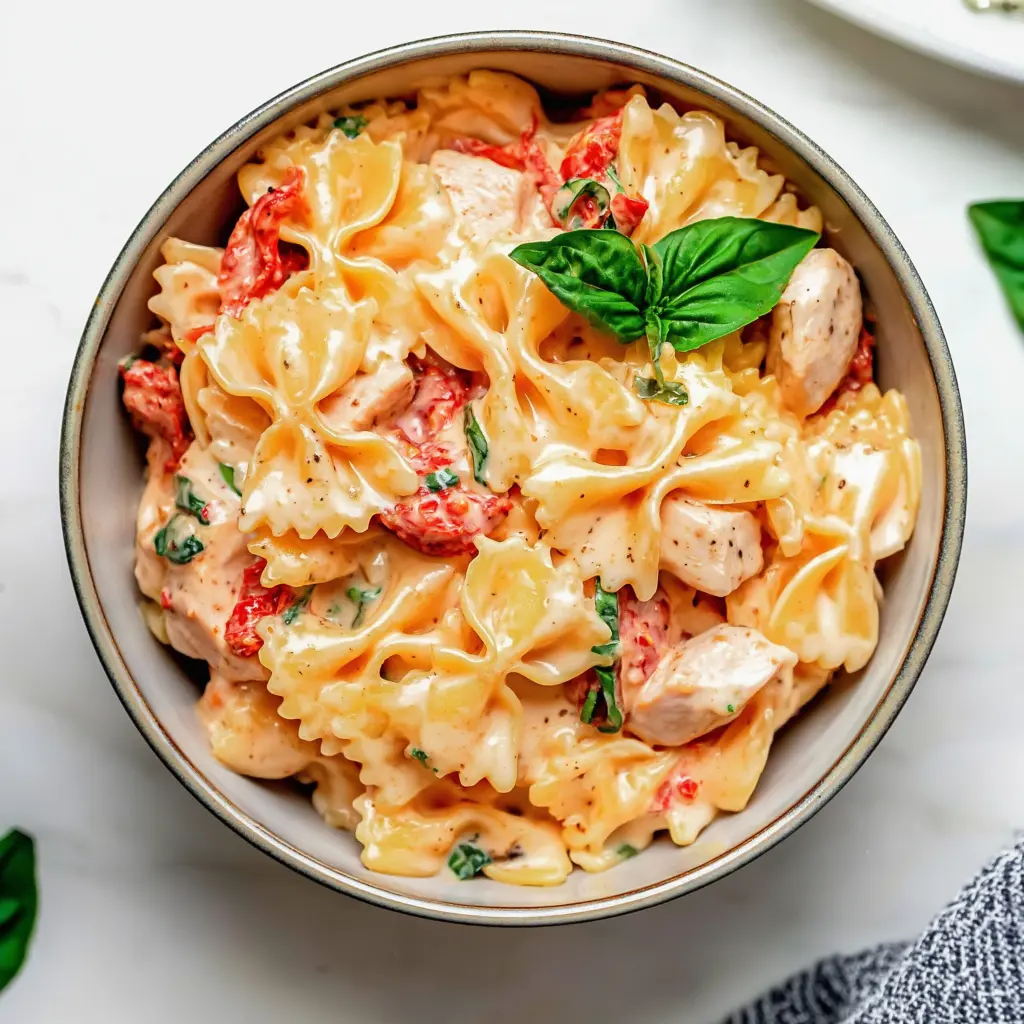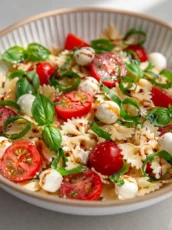
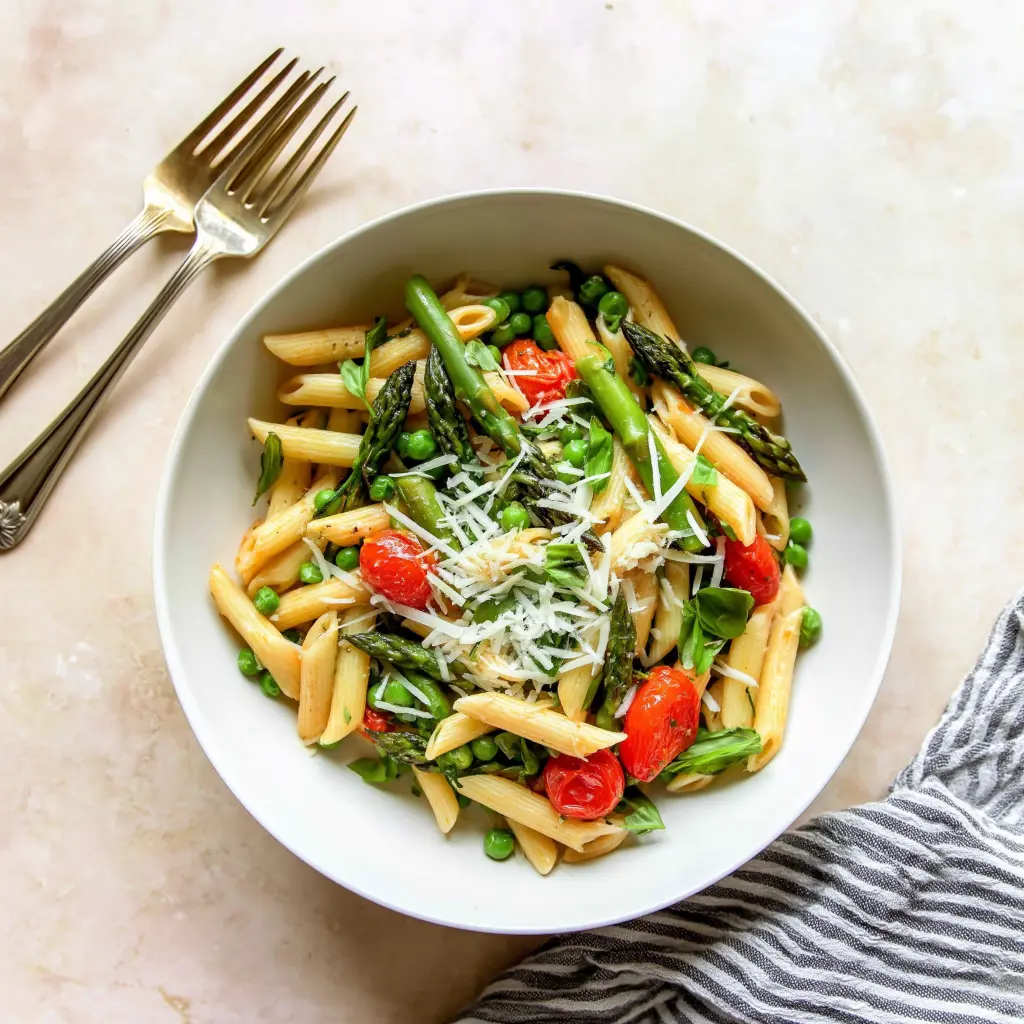
Healthy Pasta Primavera is one of those dinners that feels bright, colorful, and comforting at the same time. You get tender penne, roasted tomatoes, zucchini, asparagus, peas, basil, lemon juice, and parmesan all in one bowl, which gives this pasta a spring-like feel without making it fussy. It is a smart choice for busy nights because most of the work happens while the vegetables roast and the pasta cooks.
What I like about this Healthy Pasta Primavera is how the oven does a lot of the heavy lifting. The tomatoes, shallots, and garlic soften in the oven until they turn sweet and rich, while the zucchini and asparagus roast until tender. Once everything comes together with pasta water, parmesan, basil, and lemon juice, the whole dish tastes balanced and fresh. It feels hearty enough for dinner but still light on the palate.
This is also the kind of meal that works for different seasons of cooking. In spring and early summer, the asparagus, peas, basil, and tomatoes feel right at home. During the rest of the year, the method still makes sense because roasting gives the vegetables deep flavor without a complicated sauce. Healthy Pasta Primavera is simple, colorful, and easy to put on repeat.
Why we love this recipe
There is a lot to like about Healthy Pasta Primavera, starting with the fact that it builds flavor in layers. The tomatoes, shallots, and garlic roast together first, which gives you a savory base with a little sweetness. Then the zucchini and asparagus roast separately so they keep their own texture. That small step helps the final pasta feel more balanced instead of soft all the way through.
Another reason this dish works so well is the finish. Instead of a heavy sauce, reserved pasta water, lemon juice, parmesan, and basil coat the pasta and vegetables. That gives the dish a glossy texture and enough richness without taking away from the vegetables. The cheese adds saltiness, the basil brings freshness, and the lemon keeps the whole bowl tasting lively.
It is also a flexible dinner in spirit, even though the core recipe is clear. You can serve Healthy Pasta Primavera for a weeknight family dinner, a meatless meal, or a spring gathering when you want something that looks inviting on the table. It has the kind of familiar ingredient list that home cooks can feel good about.
Pasta Primavera Ingredients
Healthy Pasta Primavera uses everyday ingredients, but each one plays a clear part in the final dish.
Penne pasta gives the recipe a sturdy base and holds the roasted vegetables well. Cherry tomatoes roast into a soft, juicy mixture with the shallots and garlic. Crushed red pepper adds gentle heat without taking over. Zucchini and asparagus bring the green, tender side of the dish, while peas add sweetness and a little pop.
Fresh lemon juice matters here because it brightens the roasted vegetables and cheese. Parmesan adds a savory finish and helps create that lightly creamy texture when tossed with warm pasta and pasta water. Basil gives the final dish a fresh, herbal note that ties everything together.
Olive oil, salt, and pepper may seem simple, but they shape the flavor of every layer. Since this recipe depends on vegetables and pantry basics, seasoning along the way makes a real difference.
Ingredient Notes and Substitutions
The shallot and garlic mixture is one of the flavor anchors in Healthy Pasta Primavera, so it is worth letting it roast until soft and fragrant. That roasted mixture gives the pasta a fuller taste than raw aromatics would.
The recipe also notes that other hearty vegetables can work in the roasting step with the zucchini and asparagus. Broccoli or peppers were mentioned as examples, so the method clearly welcomes vegetables that roast well. The key is keeping the spirit of the dish the same: tender vegetables, a light finish, and enough pasta water to bring it all together.
For the cheese, parmesan is the confirmed ingredient in the recipe, and it brings salt and depth to the pasta. Basil and lemon should be added at the end so their flavor stays fresh and clear.
How to Make this Pasta Primavera
Healthy Pasta Primavera comes together in a very sensible order. You roast the tomatoes, shallots, and garlic first. While those cook, the zucchini and asparagus roast on a separate pan. At the same time, the pasta boils until al dente. Then everything gets tossed together with peas, pasta water, lemon juice, basil, and parmesan.
That order matters. Roasting builds flavor, boiling gives the pasta the right bite, and finishing everything in a large saute pan or skillet helps the sauce cling to the pasta instead of pooling at the bottom.
Cook the tomatoes
Start by preheating the oven to 425 degrees F. Add the cherry tomatoes, sliced shallot, and minced garlic to a baking dish. Drizzle with olive oil and season with salt, pepper, and crushed red pepper. As they roast, the tomatoes soften and release juices while the shallot and garlic mellow.
This step gives Healthy Pasta Primavera much of its flavor. The tomatoes become saucy in their own way, which helps coat the pasta later without asking for a separate sauce. Give them the full roasting time so they turn soft and rich.
Roast the zucchini and asparagus
On a separate baking sheet, toss the zucchini and asparagus with olive oil, salt, and pepper. Roast until soft, about 20 minutes. Roasting these vegetables separately helps them cook evenly and keeps their flavor clear.
This part also gives the finished pasta a good mix of textures. The zucchini turns tender, the asparagus keeps a little structure, and together they make the bowl feel generous without feeling heavy.
Cook the pasta
While the vegetables roast, boil a large pot of water and cook the penne until just al dente according to the package directions. Before draining, reserve 1 cup of pasta water. That reserved water is important because it helps coat the vegetables, lemon juice, and parmesan into a glossy finish.
Once drained, add the pasta to a large saute pan or skillet with the roasted vegetables and peas. Toss with 1/4 cup of pasta water until the mixture looks glossy. Turn off the heat, then add the parmesan, basil, and lemon juice. Toss again, season to taste, and serve.
How to Make Creamy Pasta Primavera
The recipe card notes that creamy pasta primavera is one of the possible directions for this dish. Since exact creamy add-ins were not provided here, the smartest way to think about it is as a finish rather than a brand-new recipe. Keep the same roasted vegetable base, cook the pasta the same way, and use the same order of cooking.
The biggest thing to protect in a creamy version is balance. Healthy Pasta Primavera works because the roasted vegetables, lemon, basil, and cheese all have room to stand out. Any creamy finish should still let those flavors come through instead of covering them up.
In practical terms, this means keeping the vegetables well roasted, saving the pasta water, and adding the final ingredients off the heat so the texture stays smooth and the pasta stays coated instead of dry.
How to Make Pesto Primavera
The recipe card also notes a pesto primavera option. That tells you the vegetable and pasta base is sturdy enough to carry a green, herby finish. The penne shape, the roasted tomatoes, the zucchini, the asparagus, and the peas all pair naturally with pesto-style flavor.
For a pesto direction, the method still matters. Roast the vegetables, cook the pasta until al dente, and keep some pasta water on hand. That way the final dish stays loose and glossy instead of thick or sticky.
Healthy Pasta Primavera already has basil and lemon, so the move toward pesto feels natural. It keeps the dish in the same fresh, spring-inspired family while giving it a slightly different finish.
How to Make Vegan Pesto Primavera
The recipe card mentions vegan pasta primavera as well, which makes this section worth including. Since no exact vegan ingredient swaps were listed in the recipe text, the safest path is to keep the vegetable and pasta base the same and use your preferred plant-based finish in place of the dairy-based one.
The nice thing about Healthy Pasta Primavera is that the roasted vegetables already carry a lot of flavor. The tomatoes, garlic, shallot, basil, lemon juice, and peas do a lot of the work, so the dish still has plenty of character even when the finish changes.
The most important part is keeping the balance that makes this pasta work in the first place: roasted vegetables, enough seasoning, a bright finish, and pasta water to bring everything together.
Tips for Success
Roast the vegetables until they are truly tender. Since this recipe depends on roasted flavor instead of a heavy sauce, that step matters a lot.
Do not forget the reserved pasta water. It helps coat the penne and pulls the roasted vegetables, lemon juice, and parmesan into a glossy finish.
Add the basil, lemon juice, and cheese after the heat is off. That keeps the flavors fresh and helps the cheese melt into the pasta without clumping.
Season at each stage. Tomatoes, zucchini, asparagus, and pasta all need a little help from salt and pepper so the finished dish tastes full and balanced.
What pasta is best for primavera?
This version uses penne, and it is a very good choice for Healthy Pasta Primavera. Penne is sturdy, easy to toss, and big enough to catch bits of roasted tomato, peas, and grated parmesan. It also stands up well to a vegetable-heavy pasta where the sauce is light rather than thick.
What matters most is using a shape that can hold vegetables and stay pleasant to eat with a fork. In this recipe, penne already does that job well, so there is no need to complicate it.
Pasta Primavera Serving Suggestions
Healthy Pasta Primavera works well as a complete dinner because it already has pasta, vegetables, cheese, and bright finishing flavors in one bowl. It also looks nice on the table, which makes it a good choice when you want a meal that feels a little more special without adding extra work.
Because the dish has lemon, basil, parmesan, and roasted vegetables, it is best served warm soon after tossing. That is when the pasta still looks glossy and the herbs still smell fresh. A final sprinkle of basil or parmesan can make the bowl feel finished without changing the recipe itself.
This is the kind of dinner that feels cheerful, practical, and satisfying all at once. Healthy Pasta Primavera proves that simple ingredients, cooked in the right order, can turn into a pasta dish that feels both fresh and comforting.